
By Hebrews Pouyeli Kumako
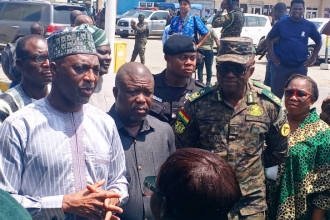
The 2026 edition of the Vodza Easter Regatta has emerged not only as a celebration of tradition but as a strategic national conversation on culture, tourism, and coastal development, following the high-profile attendance of Ghana’s Vice President, Naana Jane Opoku-Agyemang, and the Minister for Tourism, Culture and Creative Arts, Abla Dzifa Gomashie.
Observed during the Easter festivities, the regatta brought renewed attention to the untapped economic and cultural potential of Ghana’s coastal communities. What has long been a local tradition rooted in the fishing heritage of the people is increasingly being positioned as a national tourism asset with regional and international appeal.
Far beyond the spectacle of colorful canoes cutting across the lagoon in fierce but friendly competition, this year’s regatta carried a deeper message—the transformation of culture into a viable economic engine. The event gathered chiefs, fisherfolk, youth groups, diaspora visitors, and policymakers, creating a rare platform where tradition intersected with governance and development planning.
The traditional boat races, marked by precision, endurance, and communal pride, reflected the collective spirit of the fishing communities, while the accompanying music, drumming, and dance showcased the richness of Ewe cultural identity. Yet, beneath the celebration was a growing consensus: such heritage must be preserved, modernized, and economically harnessed.
In a strong policy-oriented message, Hon. Gomashie emphasized that Ghana must move beyond symbolic celebration of culture toward structured investment and expansion. She challenged organizers and stakeholders to rethink the scale and ambition of the regatta, proposing a long-term vision that would stretch its impact along the coastline—from Aflao through key fishing communities to Anyanui.
According to her, such an expansion could create a coastal tourism belt, unlocking opportunities in:
- Local enterprise development
- Hospitality and eco-tourism
- Youth employment
- Cultural export and branding
She stressed that with proper planning, infrastructure, and promotion, the Vodza Easter Regatta could evolve into a flagship national festival comparable to globally recognized cultural events.
Vice President’s Message: Identity and Inclusion
Vice President Opoku-Agyemang reinforced the importance of culture as a pillar of national identity and inclusive development. She noted that community-driven festivals like the Vodza Regatta demonstrate how grassroots traditions can shape national narratives and economic pathways when given the right support.
Her presence also signaled a broader governmental commitment to ensuring that development is not Accra-centered, but inclusive of coastal and rural communities whose cultural capital remains largely underutilized.
For the people of Vodza and surrounding communities, the regatta is more than an annual event—it is a symbol of identity, resilience, and unity. Local leaders and residents expressed optimism that the renewed national attention could translate into improved infrastructure, increased tourism traffic, and sustained economic benefits.
Fishermen who participated in the races described the event as both a cultural duty and an opportunity to showcase their skills to a wider audience. Traders and small business owners also reported increased activity, highlighting the regatta’s immediate economic impact.
The Bigger Picture
The 2026 Vodza Easter Regatta has effectively reframed cultural festivals as tools for development rather than mere celebration. It underscores a growing recognition within policy circles that Ghana’s cultural wealth—if properly invested in—can serve as a powerful driver of tourism, job creation, and national cohesion.
As discussions around expansion and modernization continue, the regatta stands at a turning point: from a beloved local tradition to a potentially transformative national asset capable of redefining Ghana’s coastal tourism landscape.
The challenge ahead lies in turning vision into action, ensuring that the rhythm of the drums and the splash of paddles are matched by deliberate policy, investment, and sustained community engagement.

Source News Volta