BACKGROUND
The People of Somè in the Ketu South Municipality of the Volta Region, known as the SOMÈAWO are part of the Ewe group which migrated from Notsie, and have settled in their current habitation for more than two centuries, with Agbozume as the spiritual and administrative capital.
The Occupation of the People of the Areas are: Kete (Kente) Cloth weaving, Basketry, Sea and Lagoon fishing, Farming, Animal rearing, Coconut Oil Processing, Starch Biscuit Processing, Coconut Mat Weaving, Salt Mining, Gari Processing and many more.
The SOMÈTUTUZÃ is an annual festival instituted before 1976 by the late Makorsor of Somè, Torgbi Hor II, as the festival of the people of Somè. It is characterized by drumming and dancing, sporting activities, health walk, medical screening, musical concerts, youth forum, durbars, and many other activities and events.
The festival which is a commemoration of the migration of our forefathers is a means of promoting cultural identity and heritage, fostering unity amongst the citizens, raising funds for
GEOGRAPHICAL SETTLEMENTS`
The Somè Traditional Area consists of 17 electoral areas, namely Denu,
Hedzranawo, Adafienu, Adina, Amutinu, Salakope, Agavedzi, Blekusu, Nogokpo, Ativuta, Kpedzakope, Amefinukope, Logove, Ahorkpey, Bayikor, Dzaglame,
Sonuto, Kumadekope, Nyekornakpoe,
Srohume, Avata, Agbozume North and Agbozume South with an estimated total population of One Hundred Thousand
(100,000) people.
It has Coastal and Hinterland which include the following Settlements:
- Coastal: Blekusu, Agavedzi, Salakope, Amutinu, Adina, Agorko-Tettekorfe, Adafienu, Xedzranawo, Denu.
- Hinterland: Agbozume, Amukoe, Sukladzi, Afegame, Lafeto,
Yegbefuime, Nogokpo, Agbevekorfe,
Ativuta, Amefinukorfe, Galleykorfe, Babanawokorfe, Gabadakorfe, Govinakorfe, Akasito, Akasigodo, Tomekorfe, Blewuadakorfe,
Agudzakorfe, Kpordiwlor/Adrorvitame, Ahorkpoe, Bayikor, Dzaglame, Kpedzakorfe, Alagbakorfe, Sokatsikorfe, Kumadekorfe, Worgbato, Sonuto, Tackscorner, Dogbekofe, Srohume, Agortorme, Avata, Adawukorfe., Agbodokope Nyekornakpoe.
development projects, promoting tourism in the area, and entertaining citizens of Somè.
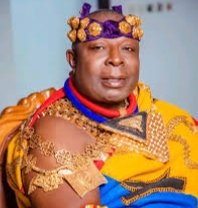
Since 1994, the SOMÈTUTUZÃ has not been celebrated until 2023 when it was rebirthed through the instrumentality of the Makoesor of Somè Torgbiga Adamah III. The newly installed Makorsor of Somè, Torgbiga Adamah III revived this important festival in 2023 to promote the development of Somè. The SOMÈTUTUZÃ 2023, was well patronized and highly successful.
The objective was to bring all Somè citizens together for the development of the Traditional Area and promote the culture of its people. The festival has therefore come to stay and is expected to be an annual event.
Torgbiga Adamah III and the Central Planning Committee are happy to announce that the SOMÈTUTUZÃ 2024 has been scheduled for September 2024 and planning and related activities are ongoing. All citizens of Somè, home and abroad-– SOMÈAWO, and all well-meaning people (resident and non-resident in the Somè Traditional Area) are encouraged to start planning for their participation in the SOMÈTUTUZÃ 2024.
This bulletin serves as a guide approved by Torgbi Adamah III and the Central Planning Committee, for the roll out of SOMÈTUTUZÃ 2024, which is to be celebrated as follows:
· Launch Date: Saturday 25th May, 2024
· Venue: Adina
· Main Festival Date: Saturday, 28th September 2024.
· Venue: Agbozume (Capital of Somè)
- Objective and Significance of SOMÈTUTUZÃ 2024 Celebration to the People of Somè
The following benefits are expected to accrue to the people of Somè when SOMÈTUTUZÃ 2024 is celebrated and is well patronized by the citizenry and all well-wishers of the Somè people.
a) An ancestral obligation to honour them would be accomplished.
b) Awakening and deepening of the culture of the people of Somè, which has been declining in recent times.
c) Raising of funds to support developmental projects and initiatives, such as construction of the Somè Traditional Council Office Block at Agbozume, among others.
d) Building upon the Peace, Stability and Unity of the Somè Traditional Area.
e) Promotion of the Agbozume Kete (Kente) cloth and animal market known as Egborshime to tourists.
f) Showcasing Agbozume local Starch Biscuit for industrialisation
g) Display of all the other investment opportunities inherent in the Somè Traditional Area. - Fundraising and Sponsorship for SOMÈTUTUZÃ 2024
Funding for SOMÈTUTUZÃ 2024 is expected from the following sources:
• Appeal for Funds during festival launch: During the festival launch an appeal will be launched to support the festival. The target is GHS420,000 (see annex 2).
Gazetted annual festival contributions from the citizenry: The SOMÈ Traditional council has arranged for the Ketu South Municipal Assembly to gazette an annual festival levy of GHS10 for citizens residing in the traditional area, and GHS20 for Agbozume (Capital of Somè) - Objective and Significance of SOMÈTUTUZÃ 2024 Celebration to the People of Somè
The following benefits are expected to accrue to the people of Somè when SOMÈTUTUZÃ 2024 is celebrated and is well patronized by the citizenry and all well-wishers of the Somè people.
h) An ancestral obligation to honour them would be accomplished.
i) Awakening and deepening of the culture of the people of Somè, which has been declining in recent times.
j) Raising of funds to support developmental projects and initiatives, such as construction of the Somè Traditional Council Office Block at Agbozume, among others.
k) Building upon the Peace, Stability and Unity of the Somè Traditional Area.
l) Promotion of the Agbozume Kete (Kente) cloth and animal market known as Egborshime to tourists.
m) Showcasing Agbozume local Starch Biscuit for industrialisation
n) Display of all the other investment opportunities inherent in the Somè Traditional Area. - Fundraising and Sponsorship for SOMÈTUTUZÃ 2024
Funding for SOMÈTUTUZÃ 2024 is expected from the following sources:
• Appeal for Funds during festival launch: During the festival launch an appeal will be launched to support the festival. The target is GHS420,000 (see annex 2).
• Gazetted annual festival contributions from the citizenry: The SOMÈ Traditional council has arranged for the Ketu South Municipal Assembly to gazette an annual festival levy of GHS10 for citizens residing in the traditional area, and GHS20 for citizens residing outside the area.
• Voluntary contributions from prominent citizens of SOMÈ Traditional Area: The planning Committee will identify and solicit directly, contributions from prominent citizens both in support for festival events/activities and also for projects. Such contributions will be duly acknowledged during the main festival durbar, as may be necessary.
• Corporate support from companies operating in the SOMÈ Traditional Area: The planning Committee will identify and solicit directly, contributions from business entities operating within the SOMÈ Traditional Area. Such contributions will be duly acknowledged during the main festival durbar, as may be necessary.
• Sponsorship packages for discrete events and activities: The planning Committee will package discrete events and activities and solicit business entities within and outside the SOMÈ Traditional Area to own and provide funding for it. Such support will be fully branded as such for the sponsoring entity.
• General Sponsorship packages for the SOMÈTUTUZÃ 2024: The planning committee has come out with a general corporate sponsorship package that is attached as Annex 2. Sponsors under this packaged will be prominently projected in all publicity activities and events. - Bank Details:
The bank account details for all monetary contributions in support of SOMÈTUTUZÃ 2024 are as follows:
·
· Bank: Agricultural Development Bank (ADB) Branch: Denu Branch, Volta Region.
· Account Name: Somètutuzã Planning Committee
· Account Number: 5052000161145901 - Volunteering for SOMÈTUTUZÃ 2024
The planning committee wishes to invite all citizens that are ready to voluntarily avail themselves of and be of service to the SOMÈ Traditional Area during the week-long festival celebration.
Volunteering for community projects is important for several reasons. Firstly, it allows Somèawo (i.e., citizens of Some) to actively contribute to the improvement and development of their various communities in particular and Somè in general. Through volunteering, individuals can help address local issues, build stronger community connections, and make a positive impact on the lives of their fellow citizens.
Additionally, volunteering provides an opportunity for personal growth and skill development. It allows individuals to learn new skills, gain valuable experience, and expand their social and professional networks. Volunteering can also be personally rewarding, providing a sense of fulfilment and satisfaction from making a difference in the lives of others.
From a broader perspective, citizen participation in community projects helps to foster a sense of civic responsibility and social cohesion. It promotes a culture of collaboration, empathy, and mutual support within the community, ultimately leading to a stronger and more resilient society. Overall, volunteering for community projects is an essential aspect of civic engagement and can have far-reaching positive impacts on both individuals and their communities.
These are the reasons why the planning committee welcomes all citizens that are ready to avail themselves of and be of service to the SOMÈ Traditional Area during the week-long festival celebration. The anticipated roles to be played by volunteers are as follows:
• Provide support for fund raising in their locality.
• Lead communal labour and other festival preparatory activities.
• Help mobilise Somèawo to prepare and participate in the festival.
• Ready to support in getting durbar grounds ready for the festival.
• Identify and lead initiatives that culminate in successful realization of the goals of the festival.
• Help with setting up booths, stages, and other festival amenities, as well as cleaning up afterwards.
• Assist with greeting and directing attendees, providing information about the festival, and offering general assistance to guests.
• Help organize and run games, workshops, performances, and other interactive elements of the festival.
• Aid in spreading the word about the festival through distributing flyers, posting on social media, and other promotional efforts.
• Assist with behind-the-scenes tasks such as coordinating schedules, managing supplies, and ensuring that everything runs smoothly.
These are just a few examples, and the specific opportunities available will depend on the needs of the various festival events and activities and the roles that the organizers are looking to fill. If you are interested in volunteering for SOMÈTUTUZÃ 2024, kindly reach out to the festival Planning Committee Chairman, Tourgbui Geli 0246142391, or Mr. Dan Sodokpo 0244228998 to inquire about available opportunities.
History of the People of Somè
The people from SOMÈ in the Ketu South Municipality of Volta Region now called the SOMÈAWO were once part of the Ewe group that lived in Egypt, Sudan, the Empires of Ghana, Mali and Songhai. They later moved to KETU (in present day Nigeria) where they were known as the KETUAWO.
From Ketu, the Ewe groups moved to NOTSIE (in Togo) and stayed under the rule of KING AGORKORLI. In Notsie, the Somèawo were known as the Agudzeawo. The Ewes decided to move again. The KETUAWO were one of the groups that took the lead. They eventually settled at TSEVIE (in present day Togo).
From Tsevie, the KETUAWO moved westwards under the leadership of KING NUKPORNUKU, the son of KING AGORKORLI and settled at AYIDIGA along the lagoon.
Having found Ayidiga unsuitable for their habitation, the KETUAWO left that place and eventually founded KETA and thus became known as the KETAWO. They also built other settlements along the coast.
The Ketawo had been very cordial traders with the Portuguese, the Dutch, and the Danes, in slaves, tobacco and alcohol. They had lived peacefully with these Europeans until 1792 when an otherwise harmless incident triggered a bitter confrontation between them and the Danes. The Danes asked the Anlos to help them against the Ketawo. But since they were friendly neighbours, the Ketawo and the Anlos decided to fight a fake war (a DUKOTSO WAR – to fight without using live ammunition). But later a misunderstanding between them led to a real war. The Ketawo were forced by the guns given to the Anlos by the Danes to flee across the lagoon. The Danes assisted by the Anlos chased the Ketawo. Bitter battles were fought and a decisive one was fought at DORLORME (where the Anlo warriors slept and were slaughtered) and AWASEFE (where the war had ended).
From Dorlorme, the Ketawo moved to GLIDZEANU (now SATSIMADZA). There they drove away the WLIAWO who had been terrorizing the KLIAWO/KLIKOAWO. Having found Glidzeanu unsatisfactory, the Ketawo moved gain and settled at YEGBEFUIME.
The Ketawo found the place suitable for their activities. There were also a lot of DUN PALMS at the place, so they called it SOMÈ, and they became known as the SOMÈAWO.
Between 1794 and 1798, the Somèawo had confrontations with the Anlos. The four – year war ended in a decisive win for the Somèawo at a place named DZENUNYEKPODZI.
The founder of Somè was TORGBI ADAMAH I. The spiritual and administrative capital of Somè is AGBOZUME. From Agbozume, comprising Amukoe, Sukladzi – Agudza and Kpordiwlor, the Somèawo moved outwards and founded other settlements.
Some Traditional Area currently has 17 electoral areas with total population of a Hundred Thousand (100,000) plus people according to the 2020 Population Census Data.
The main Somè settlements (towns and villages) are:
A. Coastal: Blekusu, Agavedzi, Salakope, Amutinu, Adina, Agorko/Tettekorfe, Adafienu, Xedzranawo, Denu.
B. Hinterland: Agbozume, Amukoe, Sukladzi, Afegame, Lafeto, Yegbefuime, Nogokpo, Agbevekorfe, Ativuta, Amefinukorfe, Galleykorfe, Babanawokorfe, Gabadakorfe, Govinakorfe, Akasito, Akasigodo, Tomekorfe, Blewuadakorfe, Agudzakorfe, Kpordiwlor/Adrorvitame, Ahorkpoe, Bayikor, Dzaglame, Kpedzakorfe, Alagbakorfe, Sokatsikorfe, Kumadekorfe, Worgbato, Sonuto, Tackscorner, AgbodokopeNyekornakpoe,Dogbekofe, Srohume, Agortorme, Avata, Adawukorfe.
The Occupations of the People of the Areas are: Kete (Kente) Cloth weaving, Basketry, Sea and Lagoon fishing, Farming, Animal rearing, Coconut Oil Processing, Starch Biscuit Processing, Coconut Mat Weaving, Salt Mining, Gari Processing and many more.
The only company in the area which is into salt mining is the Seven Seas Salt Company.
Source News Desk III Volta Forum