By Hebrews Pouyeli Kumako
Stakeholders in the fisheries sector across the Keta Basin coastline, stretching from Abeliakorpe near Aflao to Dzelukorpe in Keta, have called for a review of Ghana’s fisheries closed season policy to better reflect local realities, traditional knowledge, and livelihood needs.
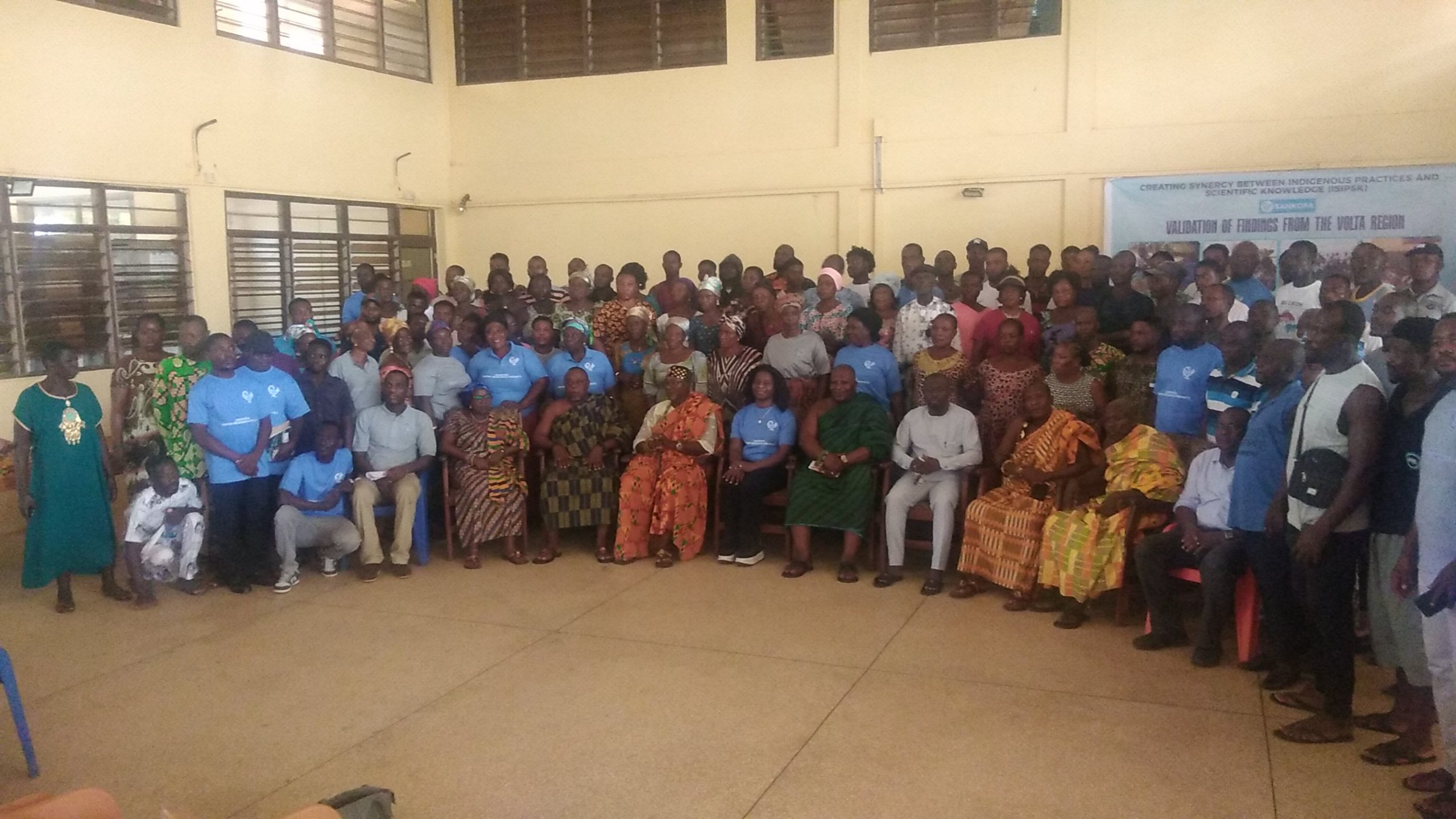
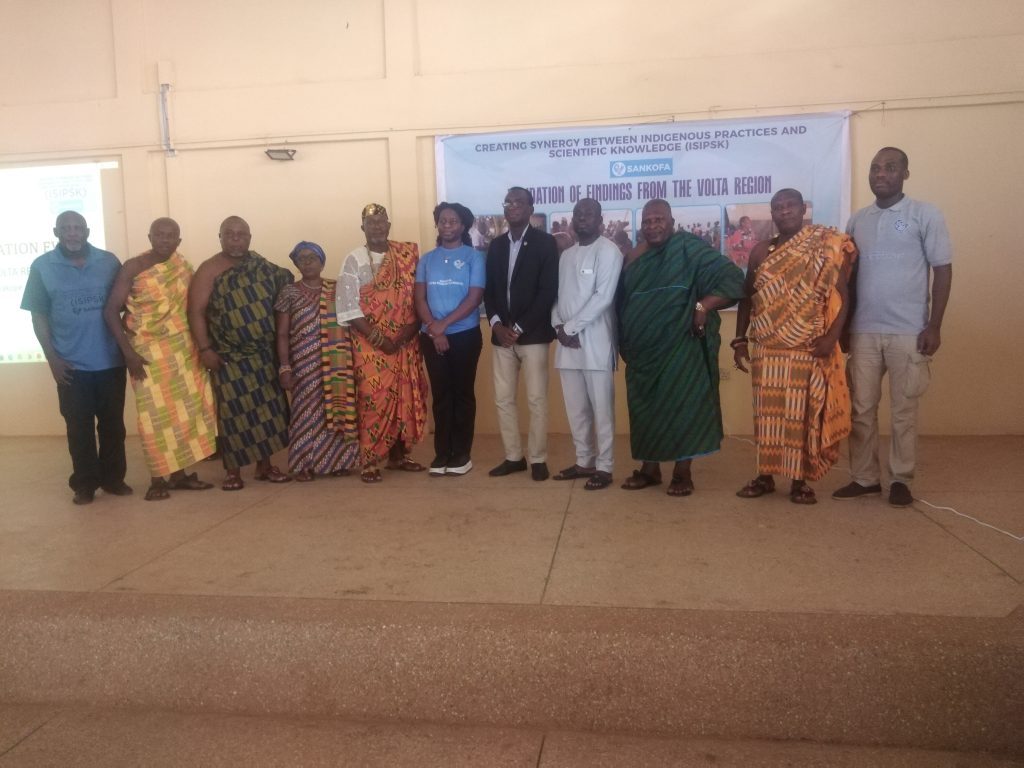
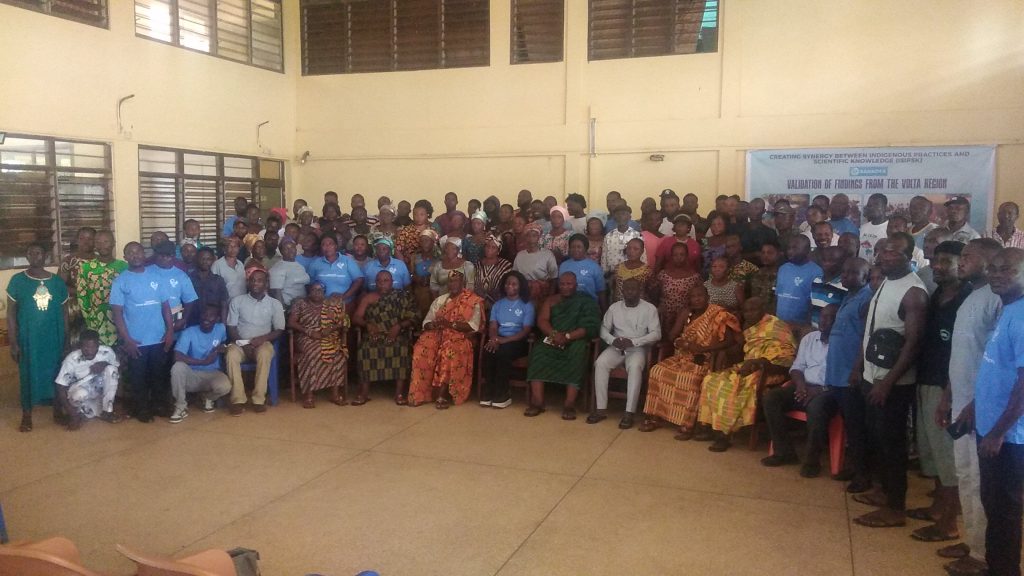
The call was made during a stakeholder validation and engagement forum held on Tuesday, January 28, 2026, at the Ketu South Municipal Assembly in Denu–Tokor, under the Indigenous and Scientific Integration for Sustainable Fisheries Knowledge (ISIPSK) project.
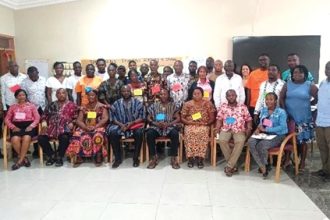
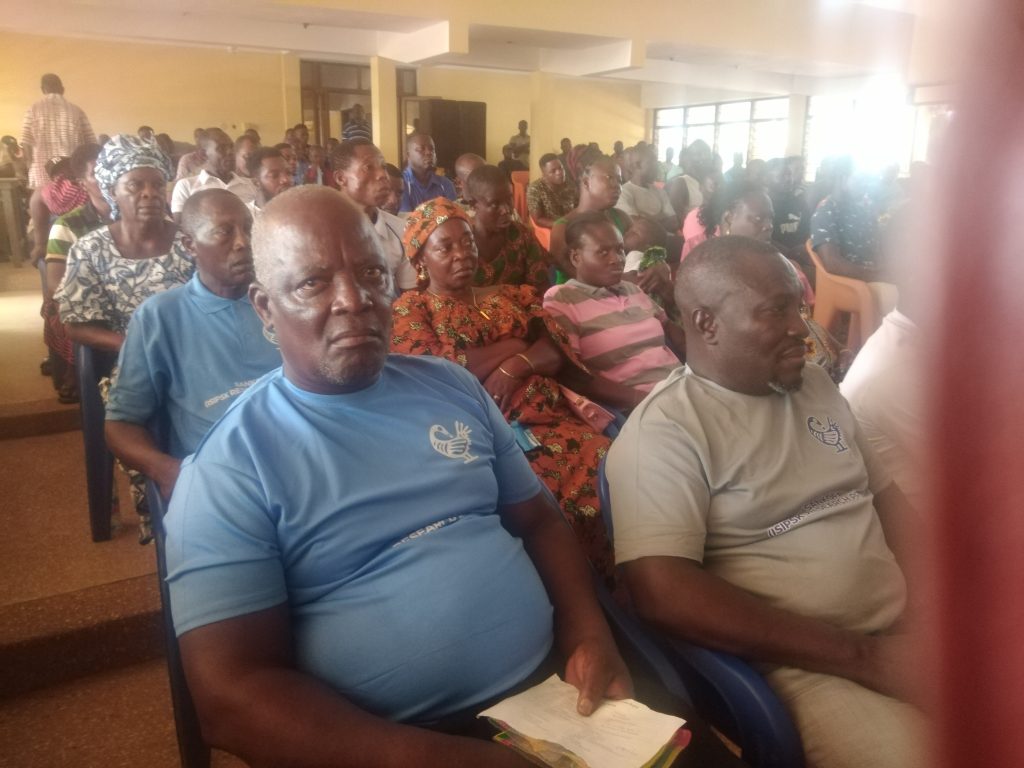
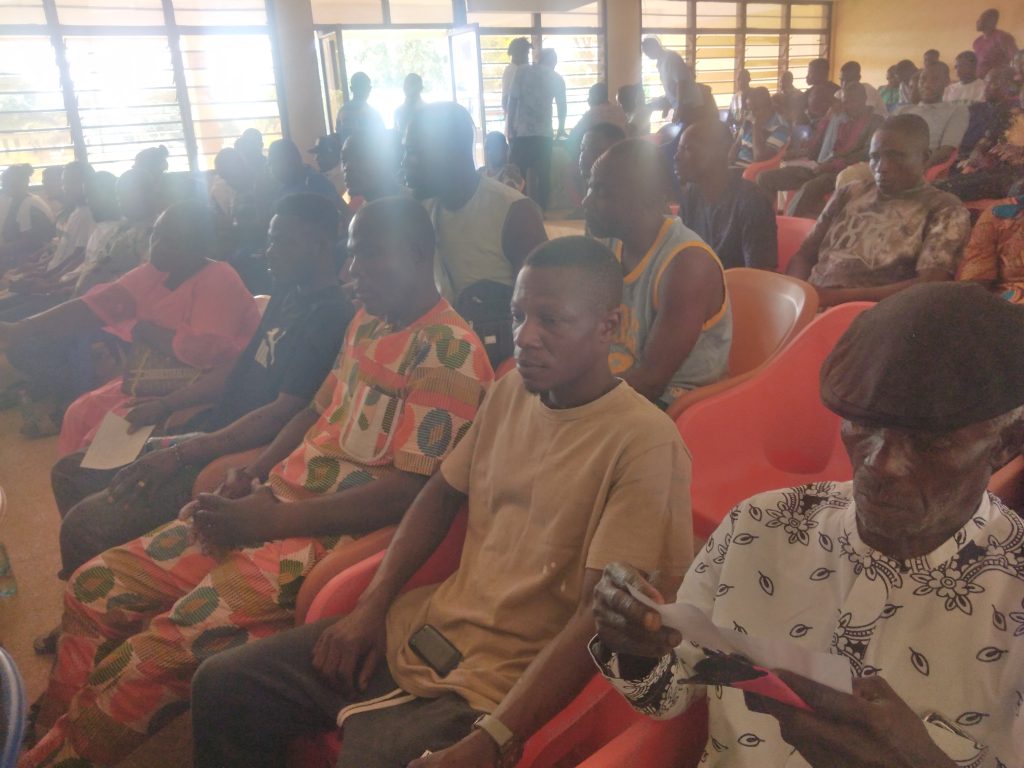
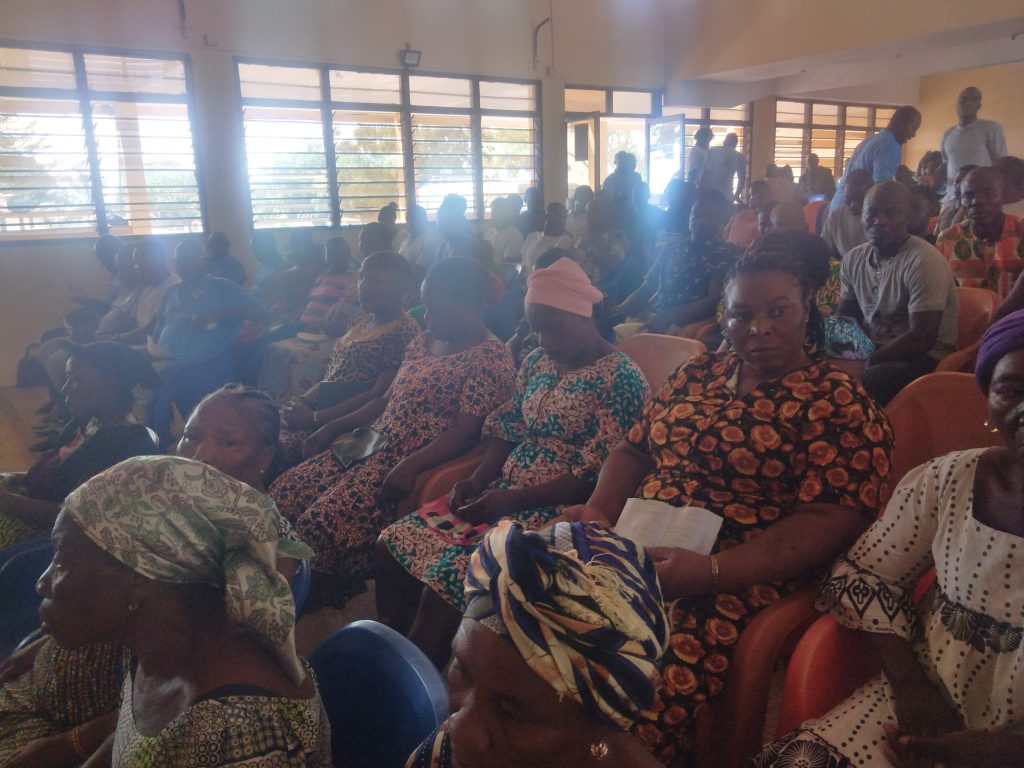
The programme brought together fishermen, fish mongers, fishing gear dealers, traditional leaders, and representatives of the Ghana National Canoe Fishermen Council (GNCFC) to discuss findings from recent research conducted along the Volta Region coastline.
Research Findings: Closed Season Deepening Livelihood Stress
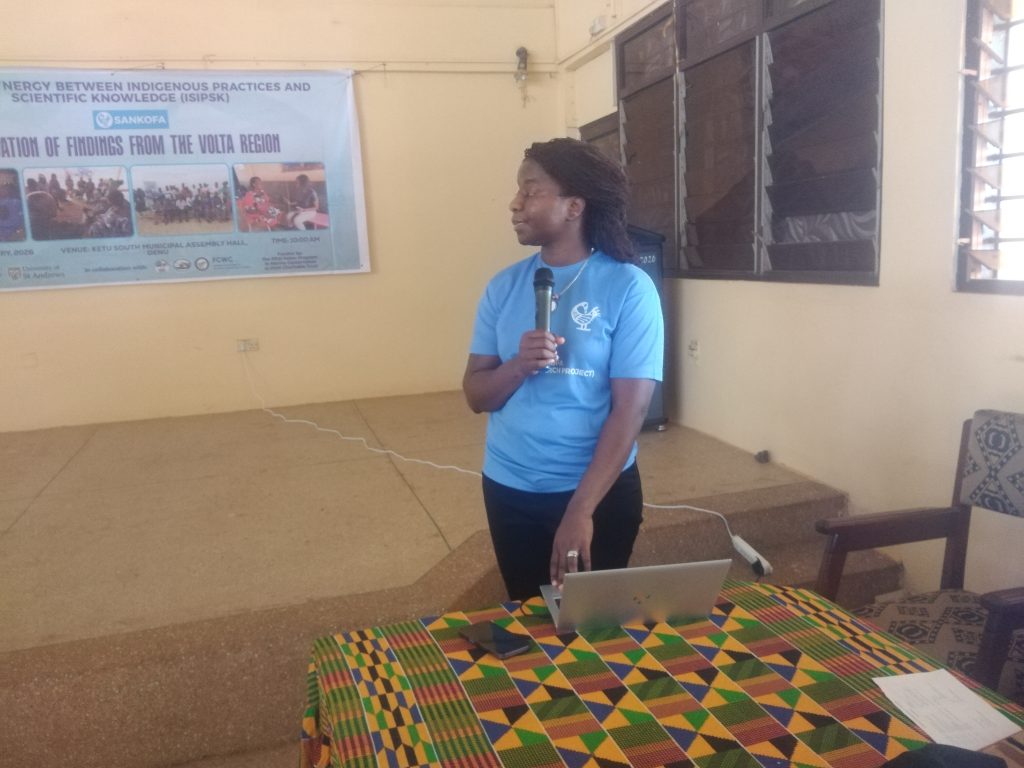
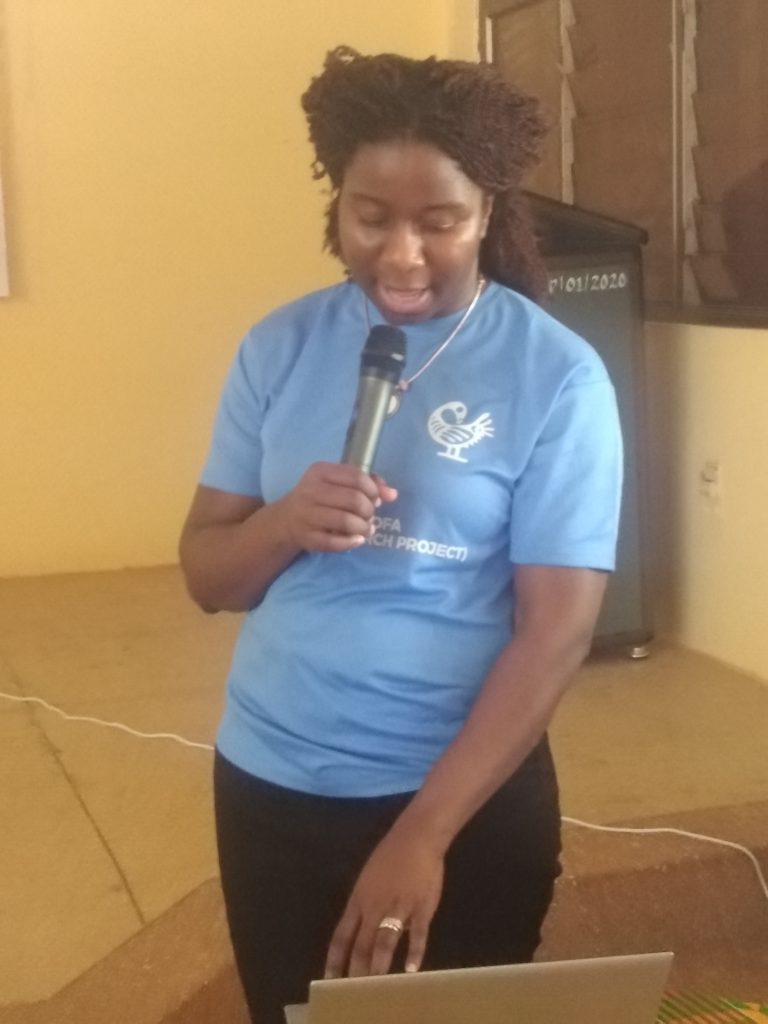
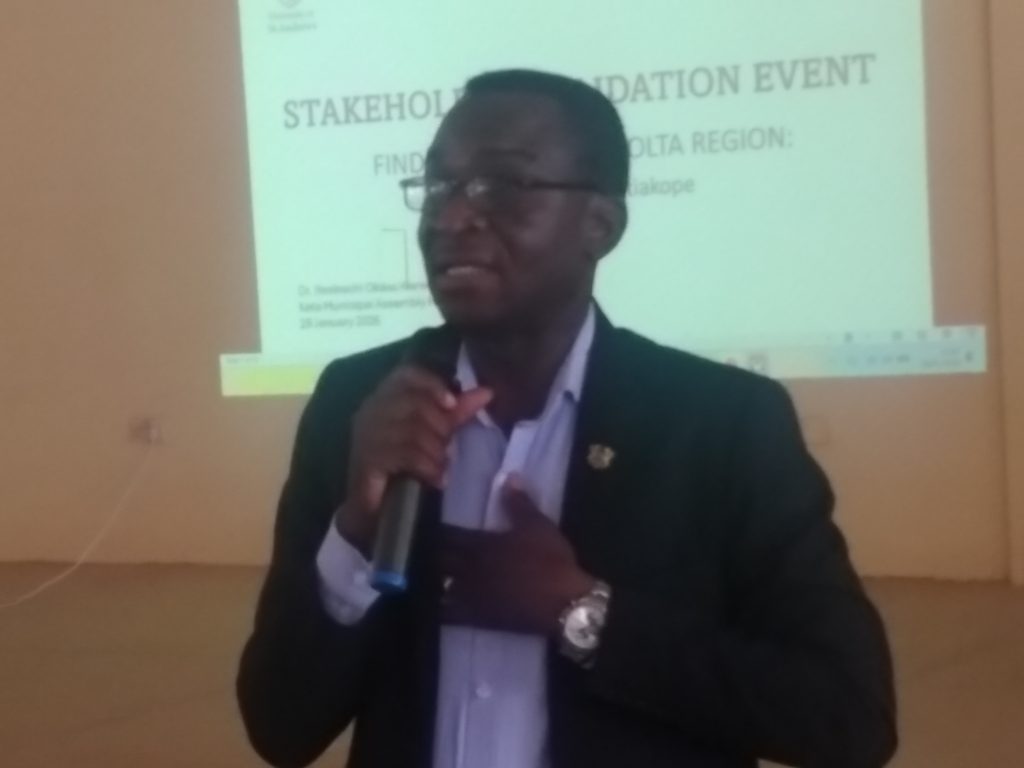
Presenting the findings, Dr. Ifesinachi Okafor-Yarwood of the University of St Andrews, Scotland, working in collaboration with the Canoe and Fishing Gear Owners Association of Ghana (CaFGOAG), Fisheries Commission and the Fisheries Committee for the West Central Gulf of Guinea (FCWC) explained that the research engaged 207 men and women from Abeliakorpe and Abutiakorpe in July 2024.
According to her, the engagement aimed at ensuring that communities that contributed data had direct access to the findings to enable informed dialogue with policymakers.
“The overall findings show that the fisheries closed season has had a negative impact on livelihoods, increasing household stress, particularly for women, affecting school attendance, and contributing to the rise in social vices,” Dr. Okafor-Yarwood stated.
She noted that respondents who did not feel the impact of the closed season had supplementary livelihood sources, while those solely dependent on fishing suffered the most.

Communities Call for Alignment With Natural Sea Closure
While acknowledging the importance of conservation, fishers argued that the July closed season does not align with the natural sea conditions in the Volta Basin.
They proposed that, if a closure is necessary, it should be observed in June, when the sea is naturally rough and fishing activities are already limited.
Participants also called for the revival of indigenous conservation practices, including traditional rituals such as “nudedepu”, animal sacrifices performed to appease sea deities, which fishers believe historically ensured abundance.
They further recommended the restoration of traditional rest days, especially Wednesdays, with some suggesting Sundays as an additional rest day.
Fishers Decry Illegal Industrial Fishing
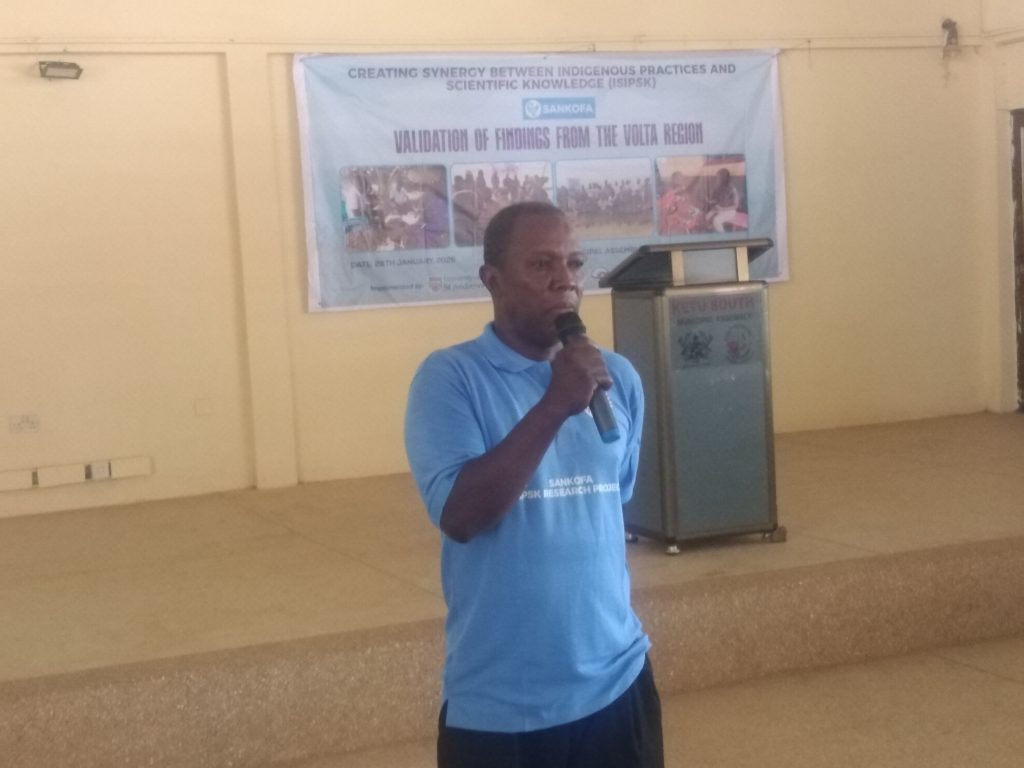
During open discussions and interviews with News Volta, several fishermen expressed frustration over what they described as selective enforcement of fisheries laws.
They alleged that while artisanal fishers are restricted by the closed season, industrial fishing vessels continue large-scale illegal activities offshore, including light fishing and destructive trawling.
“The government denies us our daily income through the closed season, yet the big vessels continue fishing deep in the sea,” one fisherman lamented. “We naturally observe sea closures, but the law punishes only the poor man.”
Some participants even called for stricter sanctions, including the seizure of offending industrial vessels, to ensure fairness.
MCE Commends Fishers, Acknowledges Hardship
Addressing the gathering, the Municipal Chief Executive for Ketu South, Hon. Nicholas Worklachie, commended fishermen for their role in feeding the nation and sustaining local economies.
He acknowledged that the closed season policy imposes hardship, noting that denying a fisher access to daily income directly affects households and businesses.
Hon. Worklachie explained that enforcement of the closed season falls under the Ministry of Fisheries and Aquaculture Development, but assured participants that concerns raised would be channeled to the appropriate authorities.
He urged continued dialogue, calm, and cooperation while advocating for solutions that balance livelihood protection with marine sustainability.
Call for Support and Inclusive Policy
Participants unanimously called for:
- Supplementary livelihood support during closed seasons
- Stronger involvement of traditional authorities
- Fair and consistent enforcement of fisheries laws
- Policies that integrate indigenous knowledge with scientific evidence
The engagement formed part of broader efforts to create synergy between indigenous practices and scientific knowledge in managing fisheries resources in the Volta Region.
As pressures on marine resources intensify, stakeholders insist that inclusive, locally informed policies are key to sustaining both fish stocks and fishing communities along Ghana’s eastern coastline.
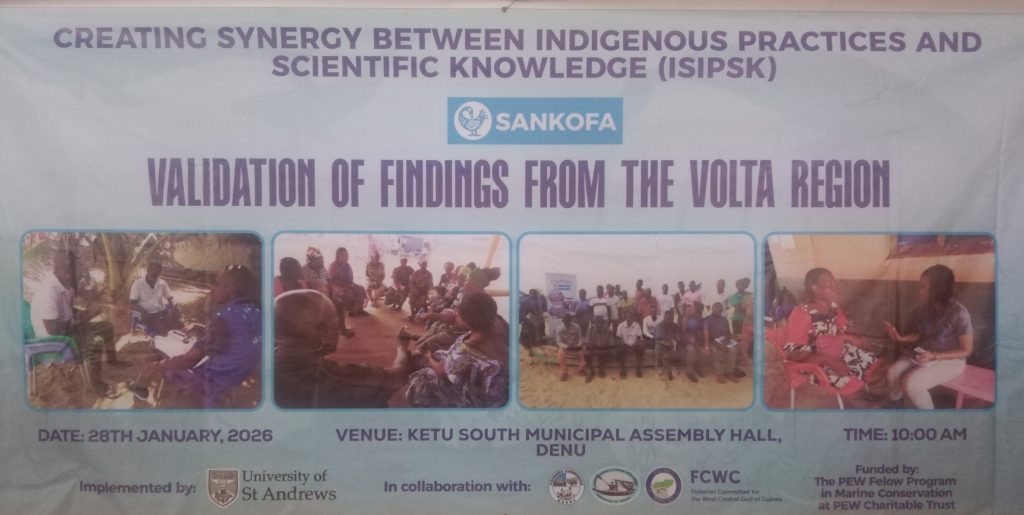
Source News Volta
.