
By Hebrews Pouyeli Kumako
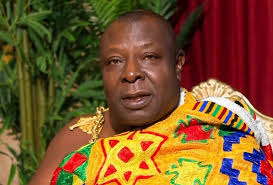
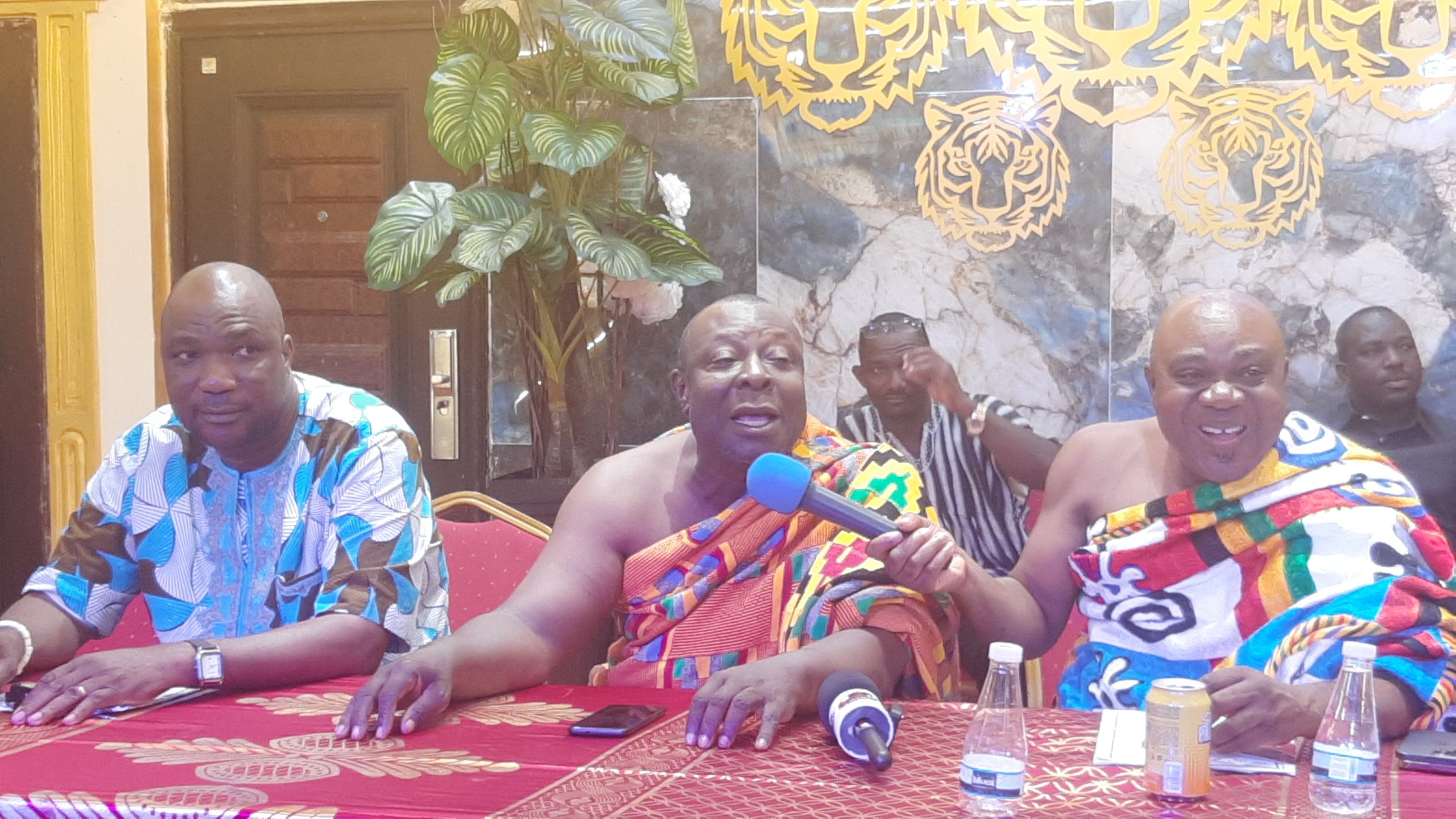
The Paramount Chief of the Aflao Traditional Area and President of the Aflao Traditional Council, Togbui Adzonugaga Amenya Fiti V, has called on the Government of Ghana to treat the recent devastating floods in Accra as a national warning and urgently safeguard critical infrastructure projects intended to protect vulnerable coastal communities, particularly Aflao.
In a strongly worded statement issued after returning from an official visit to the Republic of South Africa, the traditional ruler described the flooding disaster in the national capital as a painful reminder of the consequences of inadequate planning, delayed execution of critical infrastructure projects, poor environmental management, and weak institutional accountability.
Expressing sympathy to families who lost relatives, homes, businesses, and livelihoods, Togbui Fiti V said while relief items and emergency interventions are necessary, they can never compensate for years of hard work and investment destroyed within a few hours by floods.
“The tears of Accra are the tears of the nation. No amount of relief can fully restore what has been washed away. We must learn from this tragedy and act before similar disasters occur elsewhere,” he stated.
According to the Paramount Chief, the catastrophe in Accra should serve as an urgent warning to coastal municipalities such as Aflao, where the combined effects of coastal erosion, rising sea levels, poor drainage systems, tidal waves, and climate change continue to threaten lives and property.
He warned that unless government accelerates investments in protective infrastructure and climate-resilient development, Aflao could face devastating floods and sea incursions that would displace thousands of residents and severely affect businesses along Ghana’s eastern frontier.
The traditional ruler noted that Aflao’s location along the Gulf of Guinea and its status as Ghana’s busiest land border make it particularly vulnerable to environmental disasters, requiring continuous government attention and investment.
He emphasized that projects designed to protect communities from flooding and coastal erosion should never be delayed, weakened, abandoned, or diverted for political or administrative reasons.
Togbui Fiti V stressed that climate change is increasingly exposing coastal settlements across West Africa to severe weather events, coastal flooding, and erosion, making long-term infrastructure planning more important than ever.
He called for stronger collaboration between central government, local authorities, traditional leaders, environmental agencies, and development partners to strengthen flood control systems, improve drainage infrastructure, enforce building regulations, and protect vulnerable coastal communities.
The Paramount Chief further appealed for greater investment in sea defence projects, climate adaptation programmes, and resilient road infrastructure capable of protecting lives and sustaining economic activity in border municipalities.
He maintained that proactive investment in disaster prevention is far less costly than responding to humanitarian crises after disasters strike.
“The lessons from Accra should inspire action, not excuses. Protecting vulnerable communities is a national responsibility and must remain a priority for every government,” he emphasized.
The Aflao Traditional Council reiterated its commitment to working with government agencies and development partners to ensure that all strategic projects intended for the municipality are implemented faithfully for the protection and long-term development of the people.
SOURCE NEWS VOLTA