By Hebrews Pouyeli Kumako
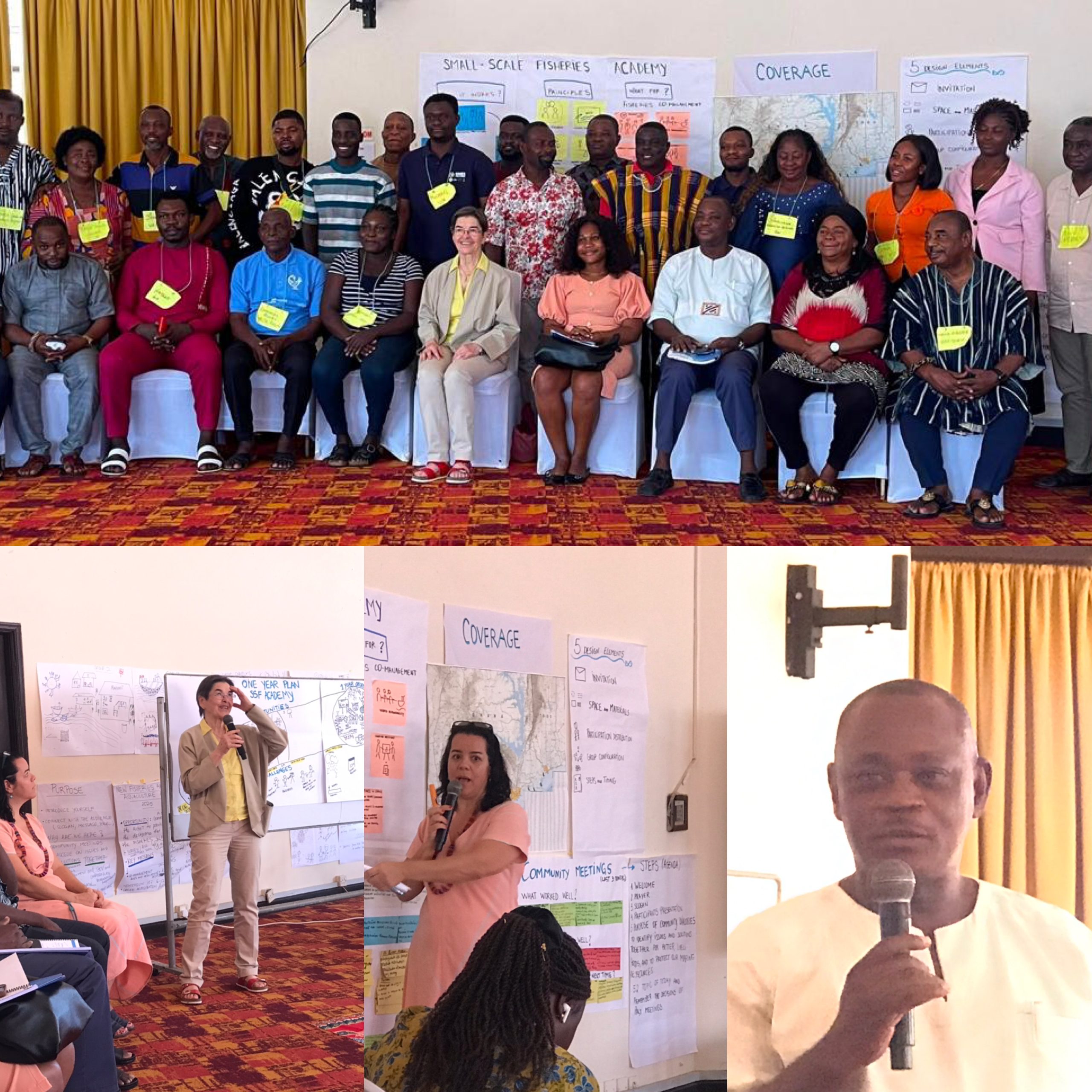
The Small-Scale Fisheries (SSF) Academy is working to establish monthly community dialogue and co-management meetings in 20 fishing communities across Ghana’s four coastal regions by December 2026, following a second sectional capacity-building programme held in Elmina from September 28 to October 1, 2026.
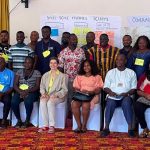
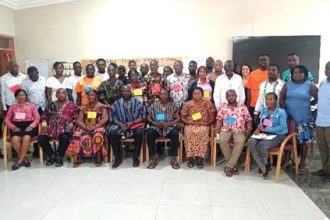
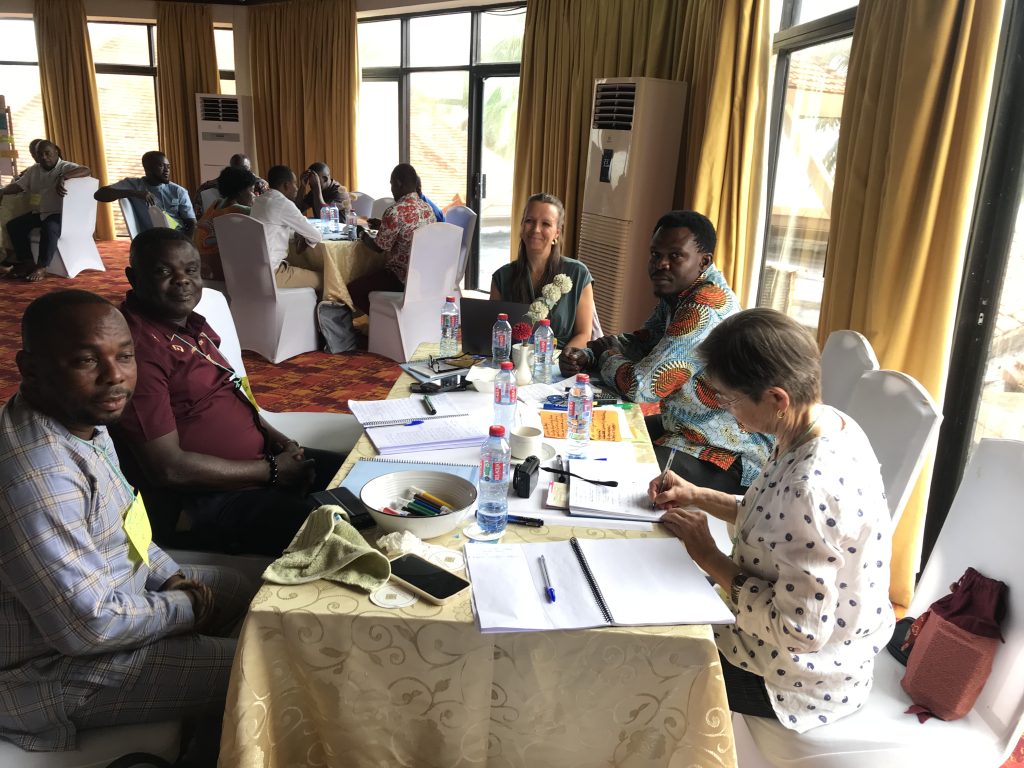
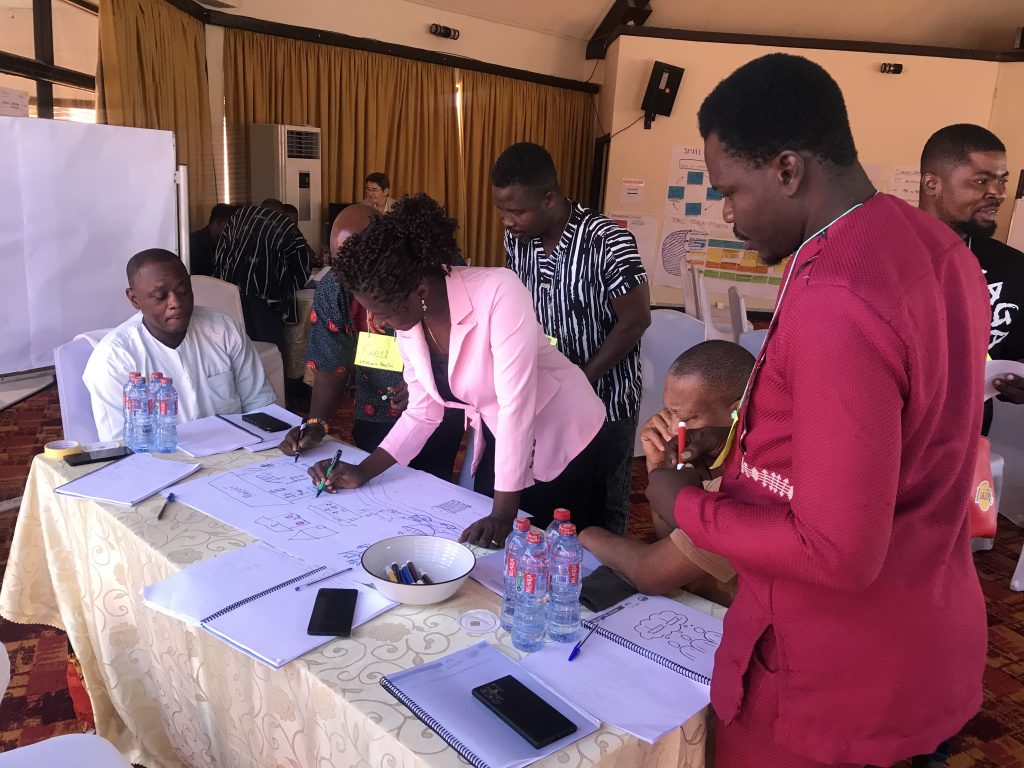
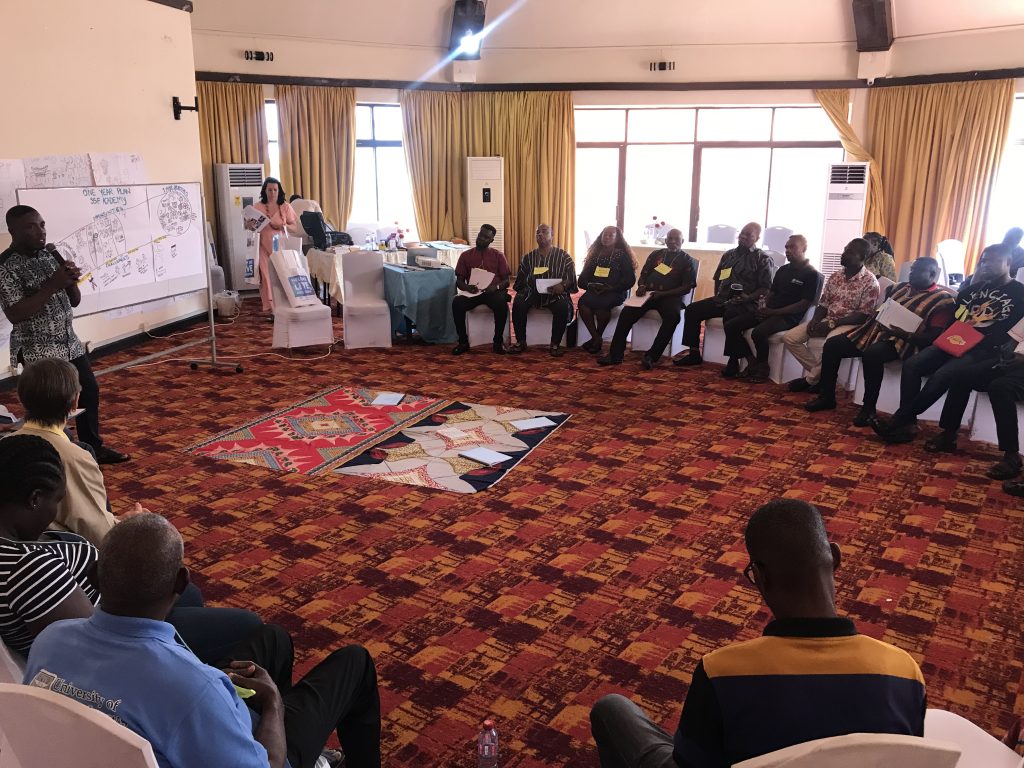
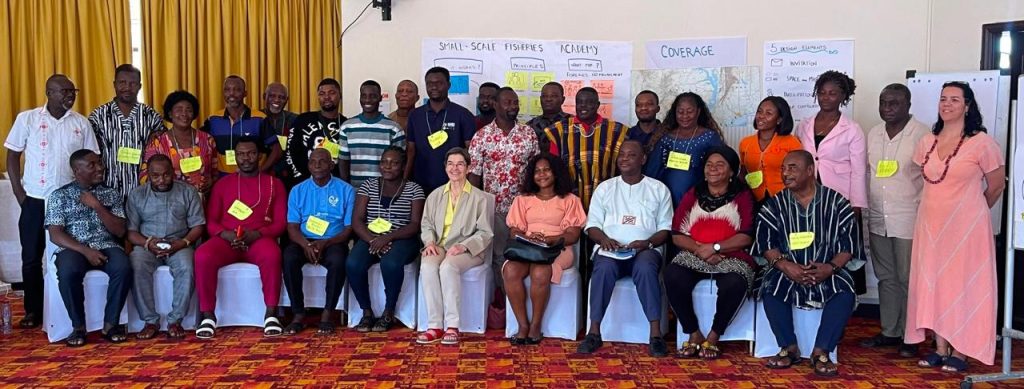
The four-day programme, organised by Mundus Maris in partnership with the Canoe and Fishing Gear Owners Association of Ghana (CaFGOAG), brought together fisheries actors and volunteer facilitators to strengthen community participation in fisheries governance.
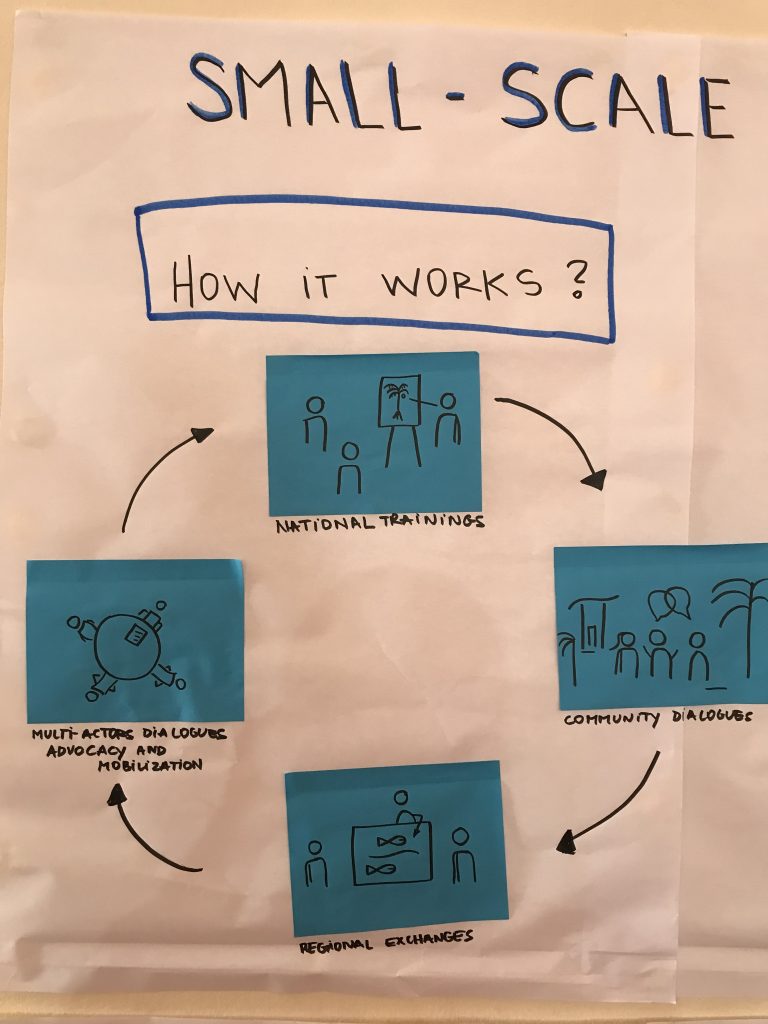
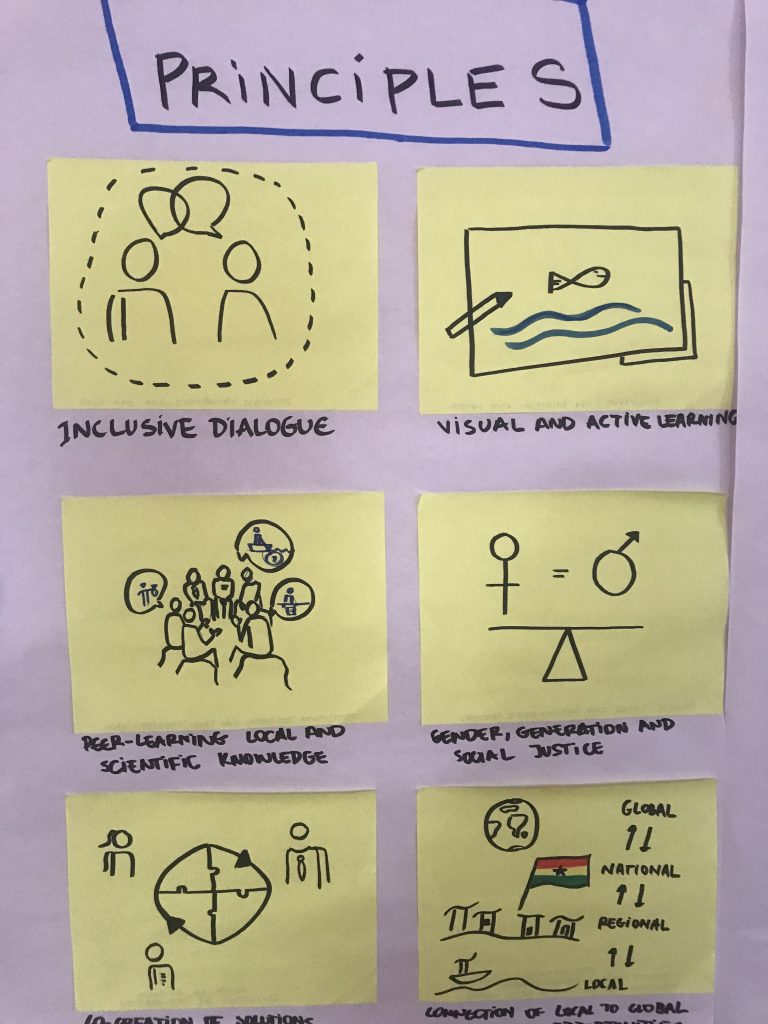
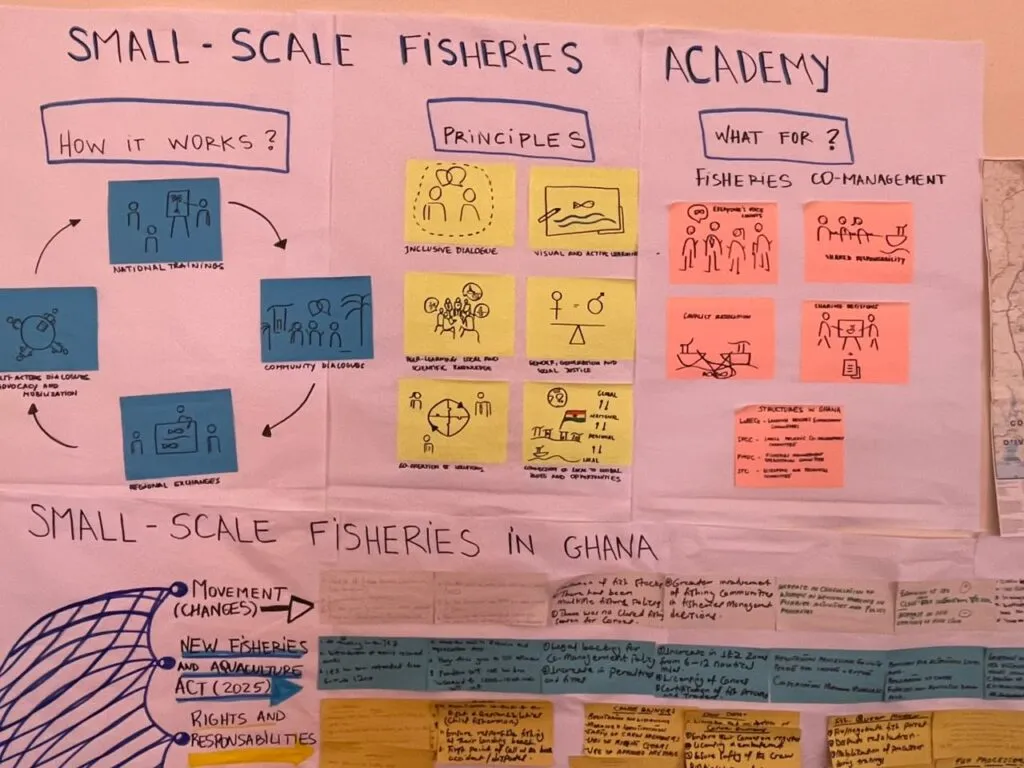
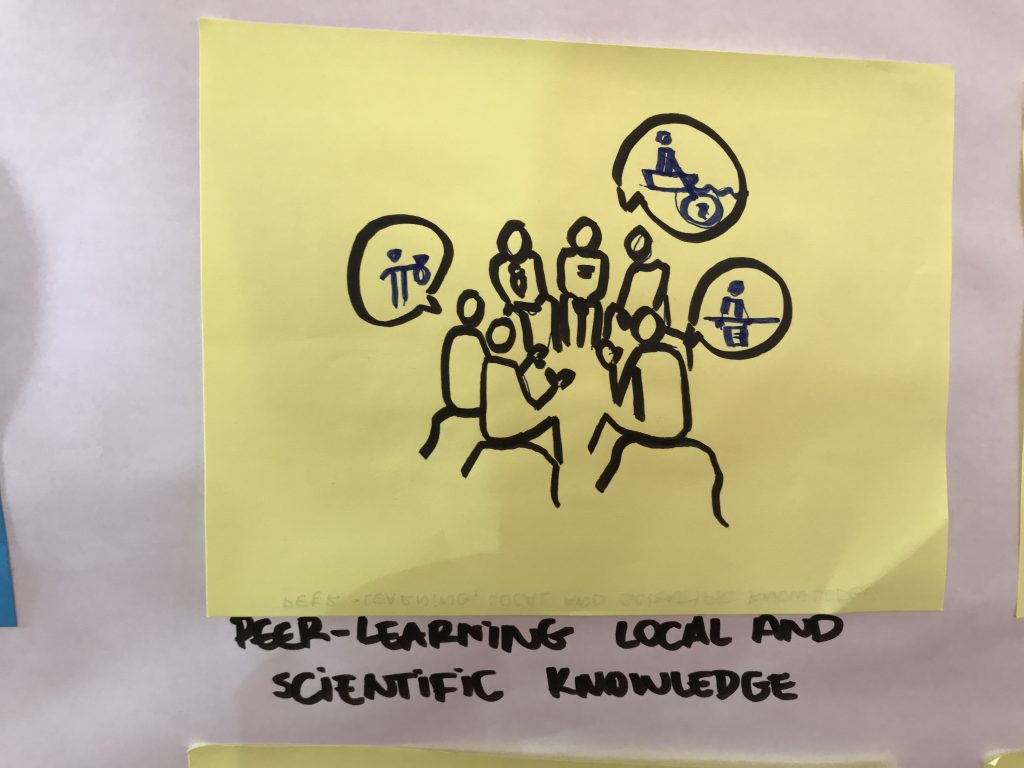
The training focused on practical approaches to institutionalising monthly co-management meetings through community dialogue, community co-creation and collective vision-building, while equipping participants with a better understanding of the Fisheries and Aquaculture Act, 2025 (Act 1146) and its relevance to community-level fisheries management.
34 Facilitators Take Dialogue to the Landing Beaches
The second capacity-building programme builds on community-level work undertaken by 34 SSF Academy volunteer fisheries facilitators between July and September 2026.
During that period, the facilitators successfully initiated eight community dialogues in eight landing beaches, with two communities each from the Volta, Central, Greater Accra and Western Regions.
The dialogues have already begun generating practical community actions, particularly around sanitation and environmental management at landing beaches.
Some participating communities have started organising monthly beach-clean-up exercises, while others are working on the installation of signposts and waste bins at strategic locations to encourage proper waste disposal and improve sanitation.
Some communities have also begun developing one-year vision plans towards cleaner, healthier and more sustainable “Blue Beaches.”
Communities Taking Ownership
Speaking about the experience, some regional facilitators said the community-dialogue approach was helping fishing communities take greater ownership of problems affecting their landing beaches instead of waiting entirely for external institutions to provide solutions.
They said the regular meetings provide a platform for fishers, fish processors, canoe and fishing-gear owners, Crew members, community leaders and other fisheries stakeholders to discuss their concerns collectively and identify practical, locally achievable solutions. The facilitators said the approach was also creating opportunities for communities to develop shared priorities and take collective responsibility for agreed actions.
The initiative has also received support from the Fisheries Commission, particularly in promoting the participation of small-scale and artisanal fisheries actors in discussions on fisheries governance. The Commission’s support comes as Ghana strengthens participatory fisheries management under the Fisheries and Aquaculture Act, 2025 (Act 1146).
The SSF Academy’s community-dialogue model provides an avenue for the principles of the new law to reach fishing communities in practical terms, allowing fisheries actors to understand their responsibilities, discuss challenges and contribute to fisheries-management decisions.
The approach also seeks to strengthen collaboration between fishing communities and fisheries institutions by creating a regular platform for dialogue, feedback and joint action.
From Eight Communities to a Wider Network
The current eight community dialogues provide the foundation for expanding the model to additional fishing communities across the four coastal regions.
The Academy intends to move from occasional engagements to a structured monthly dialogue system, where fisheries actors can regularly identify problems, develop collective solutions, monitor agreed actions and engage relevant institutions on issues affecting their communities and livelihoods.
The expansion will strengthen the role of local fisheries actors in participatory fisheries governance while giving communities greater responsibility for identifying and responding to challenges at their landing beaches.
Building a Collective “Blue Beach” Vision
Beyond fisheries management, the community-dialogue initiative is encouraging participating communities to develop longer-term visions for their landing beaches.
These include practical action plans covering sanitation, responsible fishing, protection of the marine environment, proper waste management, landing-beach improvement and sustainable livelihoods.
The emerging “Blue Beach” vision seeks to encourage communities to see clean and well-managed landing beaches not only as an environmental responsibility but also as an important foundation for healthier fishing communities and sustainable livelihoods.
Co-Management at the Heart of the Initiative
Mundus Maris and CaFGOAG believe sustained monthly community dialogue by Small-Scale Fisheries (SSF) Academy will provide an important foundation for effective co-management of Ghana’s fisheries resources.
Rather than treating co-management as a concept limited to national or institutional meetings, the Academy is seeking to establish it at the landing-beach level, where fishers and other fisheries actors directly experience challenges such as declining fish stocks, illegal fishing, poor sanitation and other livelihood concerns.
The second sectional training therefore marks another step in building the capacity of the 34 volunteer facilitators to serve as a bridge between fishing communities and fisheries institutions.
Through continued monthly meetings, community co-creation, collective vision-building and practical community action, the SSF Academy aims to strengthen local ownership of fisheries management and contribute to cleaner, healthier and more sustainable fishing communities across Ghana’s coastal belt.
Source News Volta // Elmina