By Hebrews Pouyeli Kumako
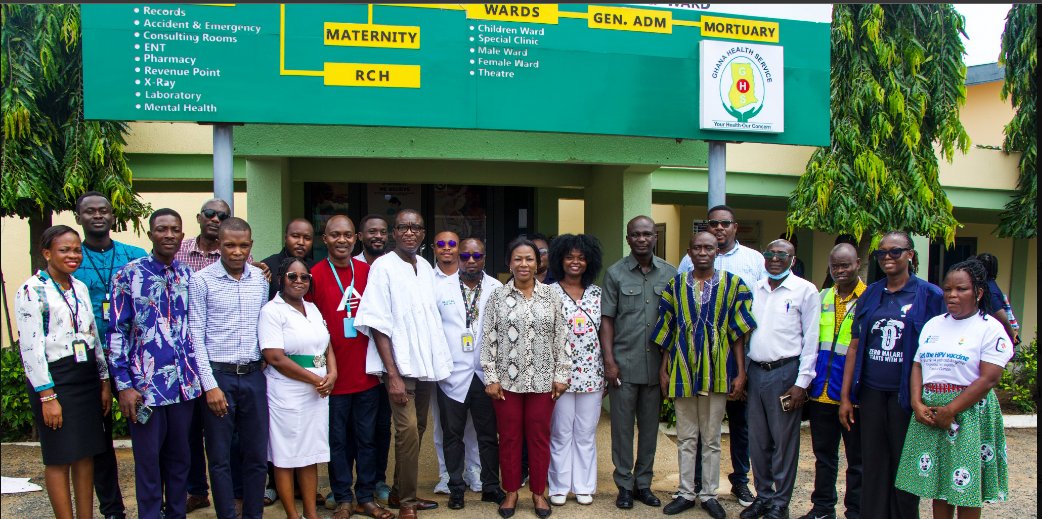
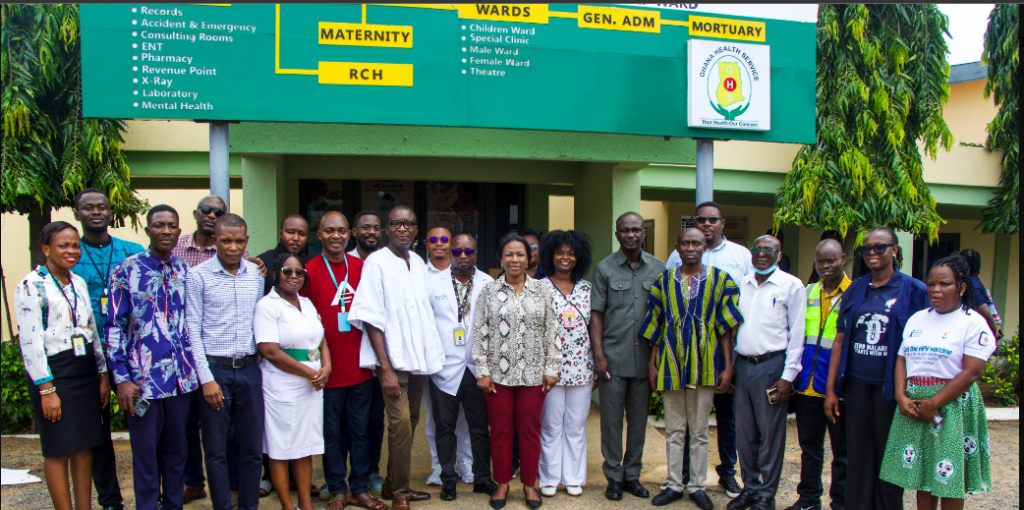
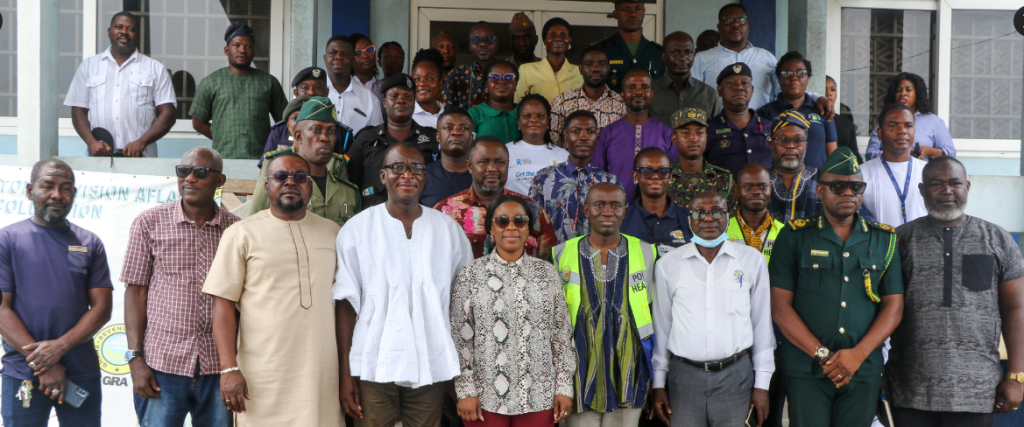
The Deputy Minister for Health, Prof. Dr. Grace Ayensu-Danquah, has expressed satisfaction with the level of preparedness at the Aflao border following an assessment visit to review emergency response systems established to prevent and manage potential Ebola and other infectious disease outbreaks. The visit forms part of government’s nationwide efforts to strengthen disease surveillance and emergency preparedness at Ghana’s major entry points.
Speaking after touring the facilities, Prof. Ayensu-Danquah said the systems put in place at Aflao demonstrate Ghana’s commitment to protecting public health and preventing the importation and spread of dangerous infectious diseases. According to her, officials walked through the entire emergency response process, examining screening procedures, isolation facilities, communication systems, sanitation infrastructure, and emergency coordination mechanisms.
“We have gone through the entire process and assessed the systems that have been put in place. The facilities are well organized, and the structures established will help ensure that we do not return to situations that compromise public health security,” she stated.
The Deputy Minister was particularly impressed by the specialized treatment and isolation infrastructure established within the municipality. She noted that the emergency facility possesses its own independent water and power supply systems, ensuring uninterrupted operations even during emergencies or utility disruptions.
According to her, the center is equipped with modern sanitation and waste management systems, including dedicated septic and biomedical waste disposal facilities designed to safely manage infectious materials.
“The facility is largely self-sufficient. It has its own power system, water system, and specialized waste disposal arrangements. These are critical components for infection prevention and control,” she explained.
Prof. Ayensu-Danquah also highlighted the telemedicine capabilities installed at the facility, which allow healthcare professionals in Aflao to communicate directly with medical specialists in Accra and other parts of the country. She explained that the communication infrastructure enables local health personnel to seek immediate expert guidance during emergencies and improve patient management.
“One of the most important components is the communication network. Healthcare workers here can easily consult specialists in Accra, the Western Region, Central Region, and even outside Ghana when necessary,” she noted. According to her, the system significantly strengthens emergency response capabilities and enhances healthcare delivery at the border.
The Deputy Minister emphasized that Aflao remains one of Ghana’s most critical public health surveillance locations due to its position as the country’s busiest land border. She explained that strengthening preparedness at border points remains essential because of increasing regional and international movement of people.
The Ministry of Health is therefore prioritizing health security interventions not only at Aflao but also at airports, seaports, and other major entry points across the country.
Prof. Ayensu-Danquah commended the Ketu South Health Directorate, healthcare workers, and partner agencies for their dedication and commitment to public health preparedness. She noted that the structures and systems established in the municipality provide confidence that authorities are capable of detecting, isolating, and responding quickly to any suspected infectious disease cases.
The visit comes amid ongoing efforts by Ghana’s health authorities to strengthen surveillance and preparedness against Ebola and other emerging infectious diseases reported in parts of Africa. Health officials say maintaining robust border screening, rapid response systems, and effective communication networks remains essential to protecting Ghana’s population from future public health threats. The Ministry of Health has reiterated its commitment to supporting health facilities and border districts with the resources needed to ensure continuous preparedness and rapid response capabilities.
Source News Volta